Collar City Brick, RPI's Hill, and Troy's Riverfront Roofs
Review the scope, field conditions, system options, and planning considerations for this commercial roofing topic.
Read More →
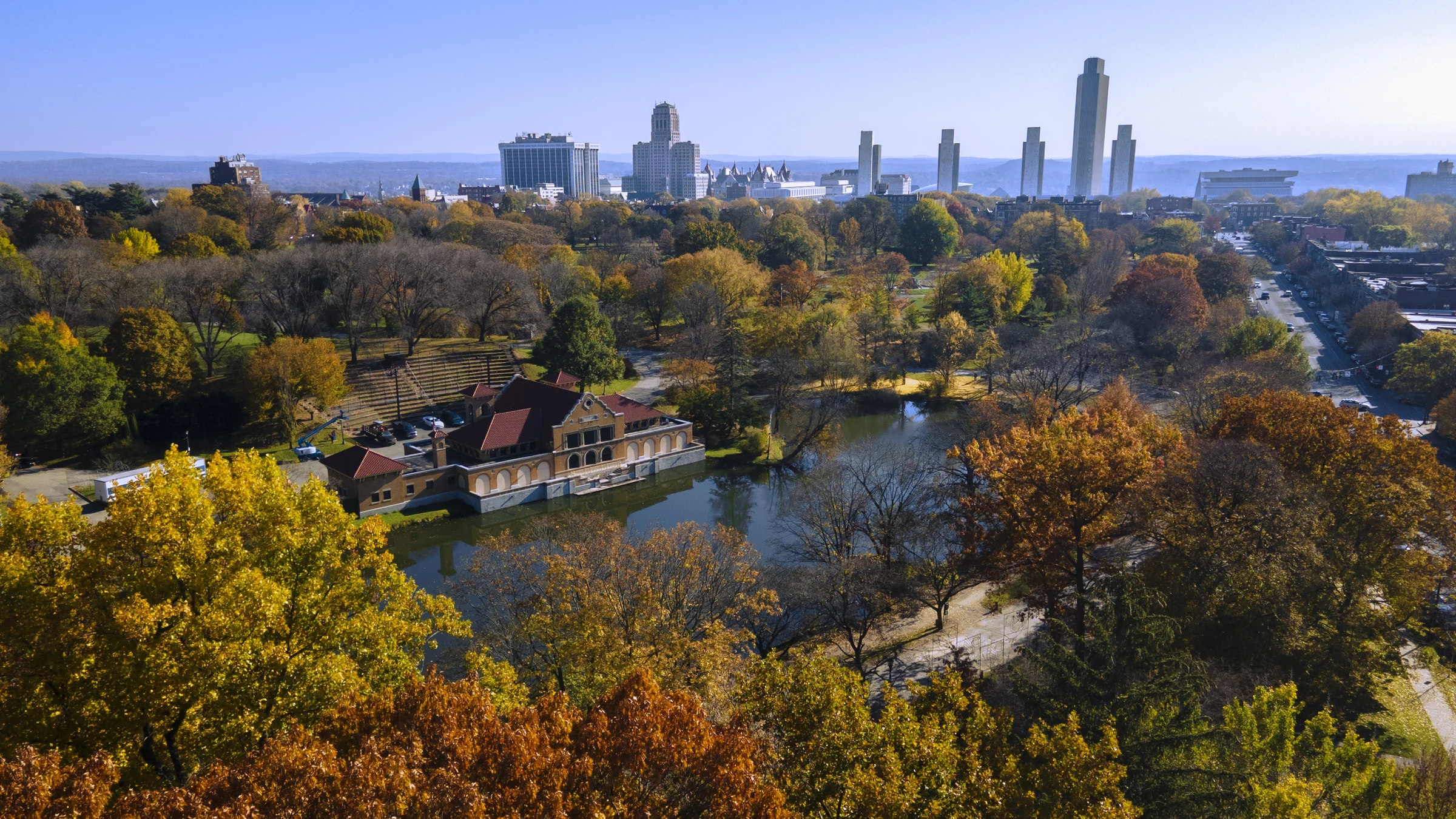
Commercial roofers serving Mechanicville should document leak sources, wet insulation, drainage, edge details, penetrations, and repair history before recommending a scope. Mechanicville is a small city that grew up around its rail history, and its downtown commercial buildings reflect that scale — modest brick storefronts and small office buildings, several with roofing that hasn't been touched in longer than it should have been. A lot of what we do here is old built-up roof replacement, and that comes with cost factors that a generic tear-off quote tends to ignore.
Many of Mechanicville's downtown buildings still have original or multiple-times-recovered built-up roofing — layers of felt and asphalt, sometimes with gravel ballast, sometimes coated over more than once. These systems can last a long time, but by the point they're finally failing, tear-off is rarely simple. Multiple layers mean more disposal weight and more labor than a single-membrane tear-off, and older BUR systems from certain eras can contain asbestos in the felt or mastic.
We test before we disturb any roofing material old enough to be a concern, and we price disposal based on actual layer count and material weight rather than a generic tear-off rate that assumes a modern single-ply roof. A building with three recover layers costs meaningfully more to strip and haul than one with a single original layer, and that difference should show up on the quote before work starts, not after.
These buildings are small compared to what we work on out along the interstate, which means mobilization and equipment costs are a bigger share of the total job cost proportionally. A crane pick for a small downtown building isn't cheaper just because the roof is smaller. Access in a tight downtown block, limited staging area, and street coordination all add real cost that a quote built for a suburban office park doesn't account for.
Several buildings share party walls or sit close enough to neighboring structures that standard equipment staging isn't possible, which means smaller lifts, more hand-carrying of material, and a longer timeline than the square footage alone would suggest.
The most expensive mistake we see in competing bids here is a flat tear-off rate that doesn't account for multiple existing roof layers or the possibility of asbestos-containing material in an old built-up system. A contractor who prices this work without testing first is either guessing at your expense or planning to hit you with a change order once tear-off starts and the real conditions show up.
Buildings closer to the rail terminal and freight corridor deal with more soot and particulate settling on the roof surface over time than buildings further from the tracks, which can accelerate coating degradation on older BUR systems and clog drains faster. We factor that into maintenance recommendations for buildings in that zone specifically, rather than applying a blanket inspection schedule across the whole downtown.
Vibration from freight traffic is a secondary factor on buildings closest to the terminal, where it can gradually work at fastener connections in metal flashing and coping over years, similar to what we watch for on other rail-adjacent buildings in the region.
When a downtown building's built-up roof is finally done, we typically move it to a mechanically attached or fully adhered single-ply membrane, which is lighter than a gravel-ballasted BUR and easier to maintain going forward. On buildings where the deck shows water damage from years of slow leaks, deck repair or replacement gets scoped and priced as its own line item before membrane installation, not discovered and charged for mid-project. We photograph deck condition as we go so the owner has a record of what was found and replaced, which matters on older downtown buildings where insurance or future sale documentation sometimes asks for exactly that kind of evidence.
Roof edge and coping on these older buildings also tends to need attention alongside the membrane itself, since original sheet metal detailing from decades ago rarely matches current wind and water performance standards. We evaluate that hardware as part of the same scope rather than leaving it as a separate future project the building never quite gets around to.
We'll test for asbestos-containing material before any tear-off, and we'll check for multiple existing layers, both of which affect the real scope and cost.
Access, staging, and mobilization in a tight downtown block cost real money regardless of roof size, and that's proportionally larger on a smaller building with limited equipment access.
Yes, we typically move buildings from BUR to a single-ply membrane system, which is lighter and easier to maintain long-term.
It can accelerate coating wear and clog drains faster on buildings close to the tracks, which is something we factor into inspection frequency for that area.
We scope and price deck repair as its own item and discuss it with you before proceeding, rather than treating it as a surprise change order.