Warehouse Roofing for the Capital Region's Older Industrial Buildings
Review the scope, field conditions, system options, and planning considerations for this commercial roofing topic.
Read More →
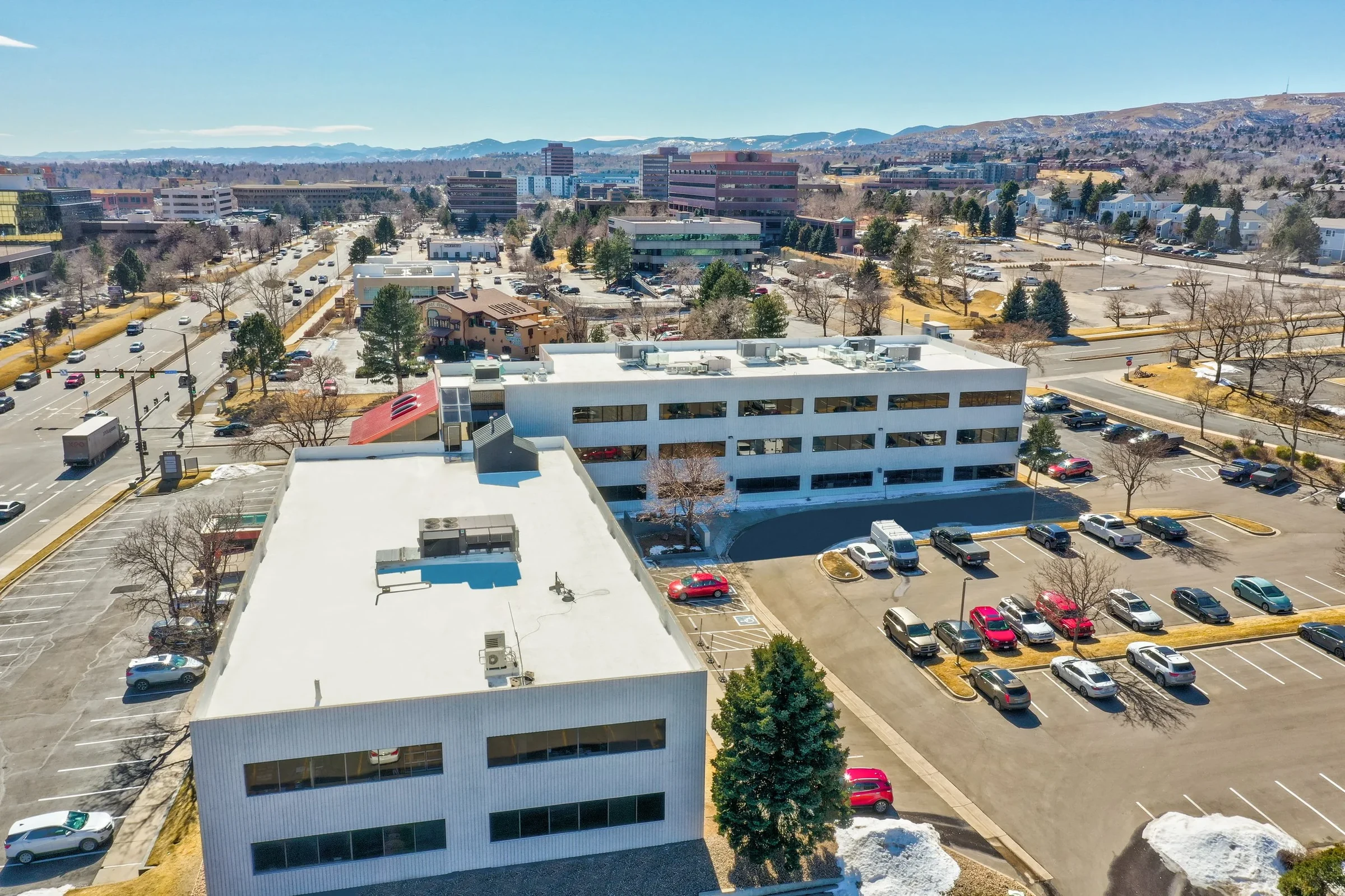
Office parks along Wolf Road, Corporate Woods, Rensselaer Technology Park, and the Route 9 corridor through Latham all run some version of a low-slope membrane roof, but the bids property managers collect on them rarely match what's actually up there. A rooftop unit count taken from a satellite photo is not a scope.
Every curb, condenser, exhaust fan, and antenna mount on that roof is a penetration that has to be flashed and warrantied individually. We walk the roof and count them before writing a number, because a bid built off a floor plan or a drive-by estimate misses equipment that's been added in the years since the building was last surveyed.
That inventory also flags who's responsible for what. Office parks lease space to multiple tenants, and HVAC units installed by a tenant's own contractor sometimes sit outside the base building's roofing warranty entirely. We flag those before the project starts, not when a leak traces back to equipment nobody expected to touch.
Wolf Road's office and retail mix runs alongside hotel and airport-adjacent development that's been rebuilt and re-roofed in phases for decades, so roof age varies building to building even within the same complex. Corporate Woods and the office campuses off I-87 tend to run larger single-ownership roof sections installed in one push, which changes how a recover or replacement gets sequenced. Rensselaer Technology Park in North Greenbush mixes newer flex and R&D buildings with older office stock, and Latham's office parks along Route 9 range from 1980s built-up roofs never upgraded to recent TPO recovers.
A single-tenant office building answers to one decision-maker. A multi-tenant complex answers to a property manager juggling several leases, each with its own notice requirements and business hours. We build a notification and access plan into the schedule before mobilization, so tenants aren't surprised by noise or staging in their parking area on a Monday morning.
Recover versus full replacement gets decided differently in this setting too. A property manager weighing a five-year hold against a longer one needs the cost and disruption tradeoffs laid out plainly, not folded into a single recommendation with no alternative shown.
The Capital Region's office stock includes insurance company campuses and defense and technology contractors with tenants in Latham and along the I-87 corridor, and both bring access requirements beyond a standard office lease. Some floors require escorted access or advance security clearance for anyone working above occupied space. We plan for that credentialing before the crew shows up rather than losing a work day to it on site.
We walk the roof in person and log every curb, unit, and penetration rather than working from a satellite image or a leasing floor plan, since equipment gets added over the years and a bid built on outdated information misses cost that shows up later as a change order.
That depends on the lease and on whether the unit was installed inside the base building's roofing warranty. We identify tenant-installed equipment during the survey and put the responsibility question in writing before the project starts, not after a leak happens.
Yes. We phase the work into sections, stage materials away from building entries and parking where possible, and give tenants advance notice of the noisiest work windows so business operations aren't interrupted more than necessary.
It depends on the existing system's condition and how long you plan to hold the building. We lay out both options with real cost and lifespan differences rather than defaulting to whichever is more profitable to sell.
Yes. Defense contractor and secure office tenants in the corridor sometimes require escorted access or advance clearance, and we build that credentialing into the schedule ahead of mobilization instead of discovering it once the crew arrives.