
Carry today's evidence into the next roof decision
The work becomes more valuable when it leads to a written repair, restoration, replacement, or service-agreement path tied to the inspection findings. A service call, inspection, and capital project should use one continuous property and roof-area history. The record should support both field work and management review. Technicians need locations and prior details; ownership needs priorities, open risk, completed spending, next inspection dates, and a defensible future sequence. Recurring service should not disappear when a capital project begins. Commercial Roofers of Albany can preserve the agreement and roof history while larger work is scoped, completed, closed out, and returned to inspection status.
Give the first call enough information to work
A useful intake for Commercial Roofers of Albany identifies who can grant access, where water is entering, what operations are affected, whether electrical or ceiling hazards exist, how the symptom changes with weather, and which roof records or photographs are available. The caller should not be asked to diagnose the assembly from the floor. A short description of timing, location, volume, affected equipment, and previous occurrences is more useful than guessing which roof product failed. The response plan should match the reported condition without promising a cause, permanent repair, or arrival time that has not been verified. Dispatch clarity is valuable precisely because it avoids unsupported assumptions.
Make allowances and exclusions visible
The owner should see the boundary between the base scope and contingent work. That includes moisture limits, substrate repair, additional layers, damaged deck, blocked piping, inaccessible details, hazardous materials, and work by other trades. Exclusions should not function as an escape hatch. Each exclusion needs a reason and, where practical, a defined way to resolve it through testing, access, document review, engineering, or a unit-price condition discovered during construction. Closeout requirements should be priced as part of the work: final photographs, repair locations, warranty or material records, open punch items, and the next recommended inspection. Those documents keep the completed scope connected to the roof plan.
Connect the roof problem to the building and weather
Weather around Albany, NY combines heavy rain, snow, freeze-thaw cycling, wind, and repeated seasonal drainage stress. The timing of that exposure can reveal a weak detail, yet the weather event and the leak source are not automatically the same thing. Interior evidence should be mapped to a roof elevation before anyone chooses a drain, wall, curb, seam, penetration, or edge as the cause. Water can move laterally through insulation, along deck flutes, or down structural elements and appear away from the opening. This distinction protects the owner from treating a correlation as proof. It also lets the next technician revisit the precise unknown instead of repeating the entire investigation.
What the field record must establish
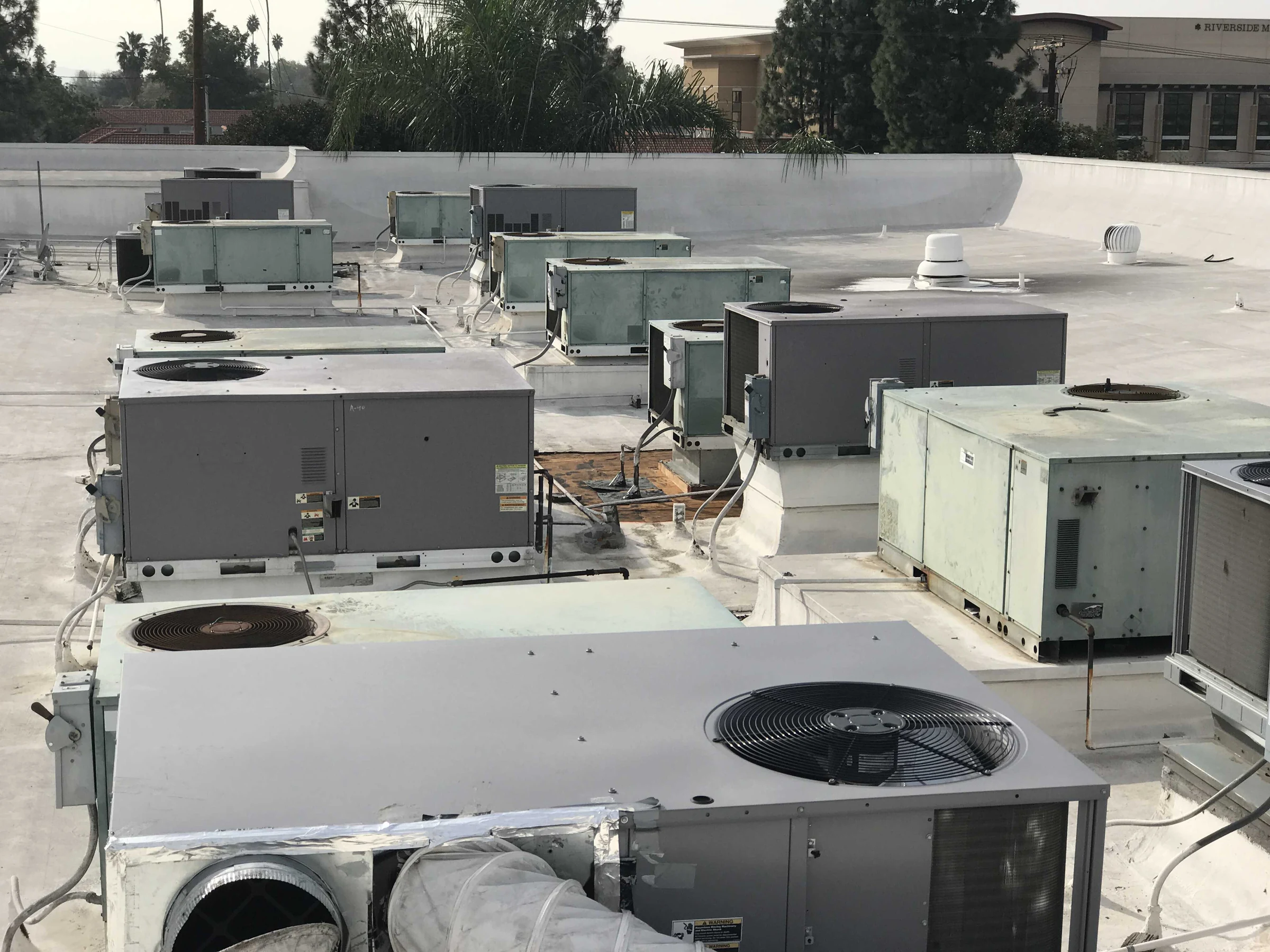
For Commercial Roofers of Albany, the field file should capture roof-area plans, system and deck information, observed defects, photographs, moisture evidence, drainage, repair history, immediate priorities, budget assumptions, and recommended follow-up. Each note needs a roof-area reference so a photograph or recommendation can be found again after the visit. During the visit, the technician should divide the roof into usable zones, compare interior history with exterior conditions, inspect drainage and details, and record defects in a way another decision-maker can follow. Wide views, detail views, measurements, markings, and interior references make the findings reproducible instead of dependent on memory. The closeout should identify today's completed scope and tomorrow's unresolved work independently. That structure is especially important when several vendors, tenants, or ownership representatives will rely on the same roof file.
Roof-system details change the diagnosis
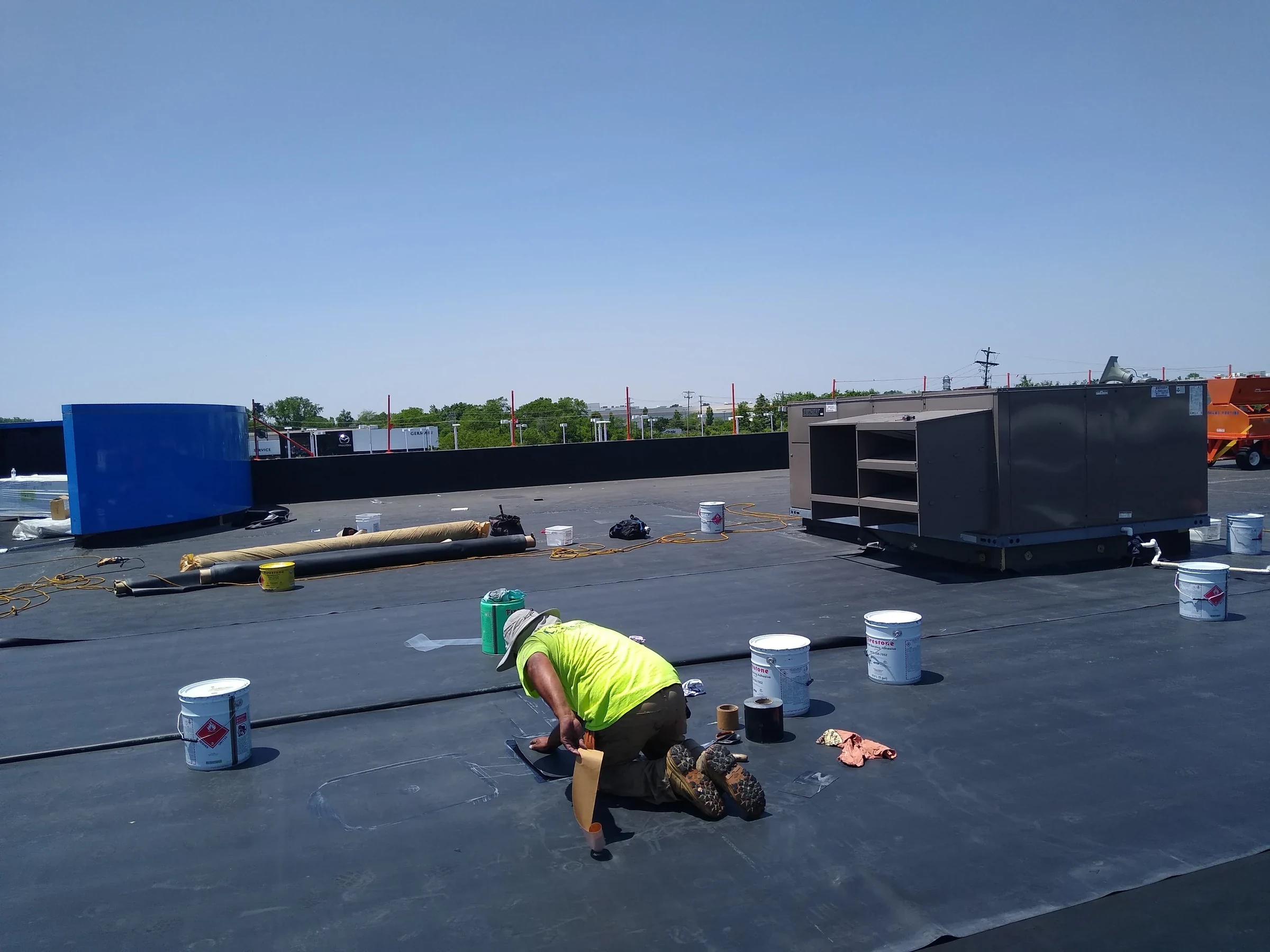
A detail that is repairable on EPDM White may require different preparation or materials on TPO 80 Mil or Spray Polyurethane Foam. Existing layers, surfacing, attachment, and earlier repair products matter before new materials are selected. Preparation and repair language must fit the substrate. Cleaning, drying, reinforcement, fastening, priming, welding, adhesion, and cure requirements should not be copied from one roof system to another without verification. A localized defect may be repairable while saturated insulation or chronic ponding changes the wider recommendation. That is why roof construction and moisture evidence must be connected to what needs action now, what can be maintained, what is eligible for restoration, and what belongs in a replacement budget.
Plan access, interiors, tenants, and daily dry-in
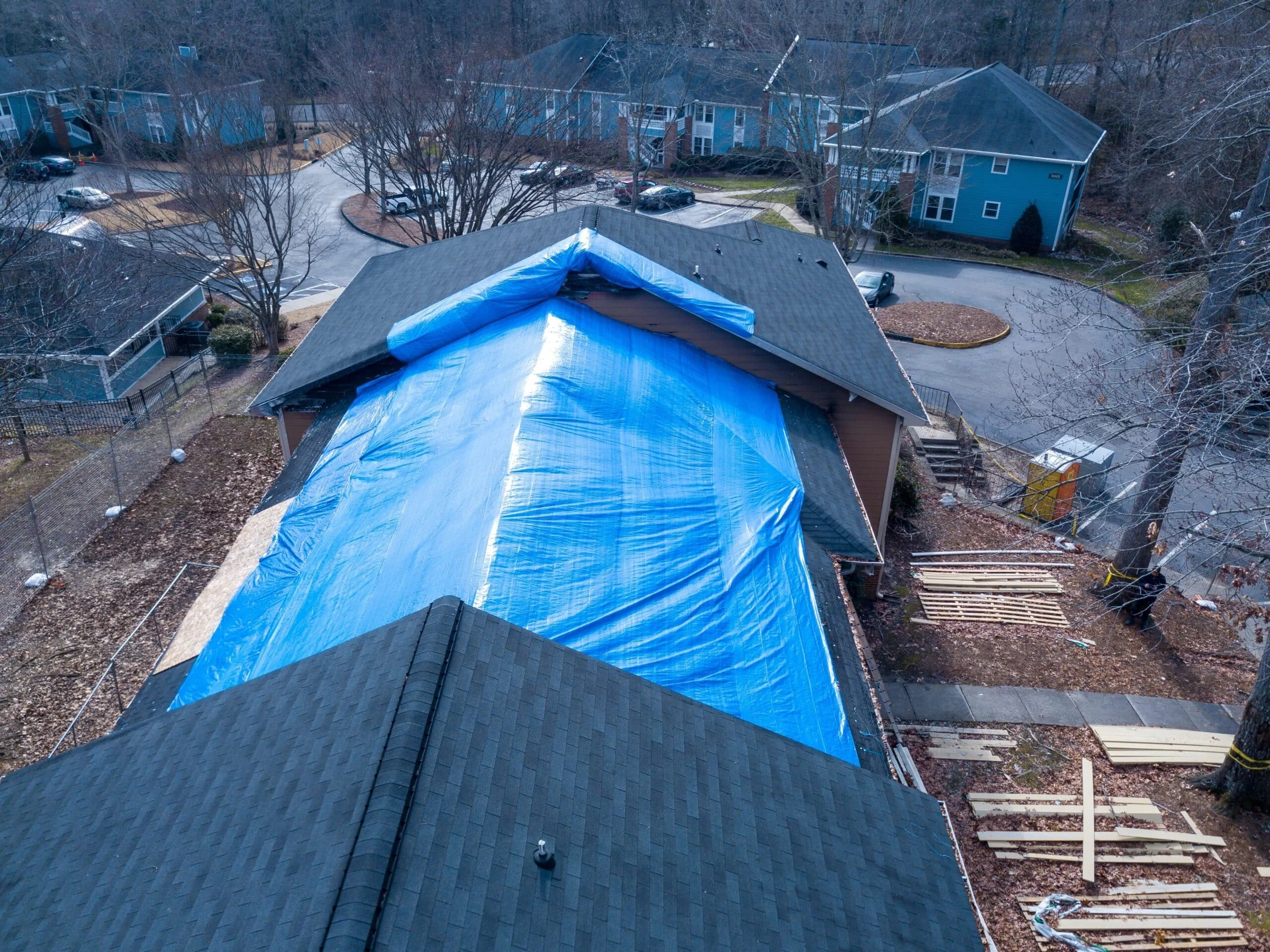
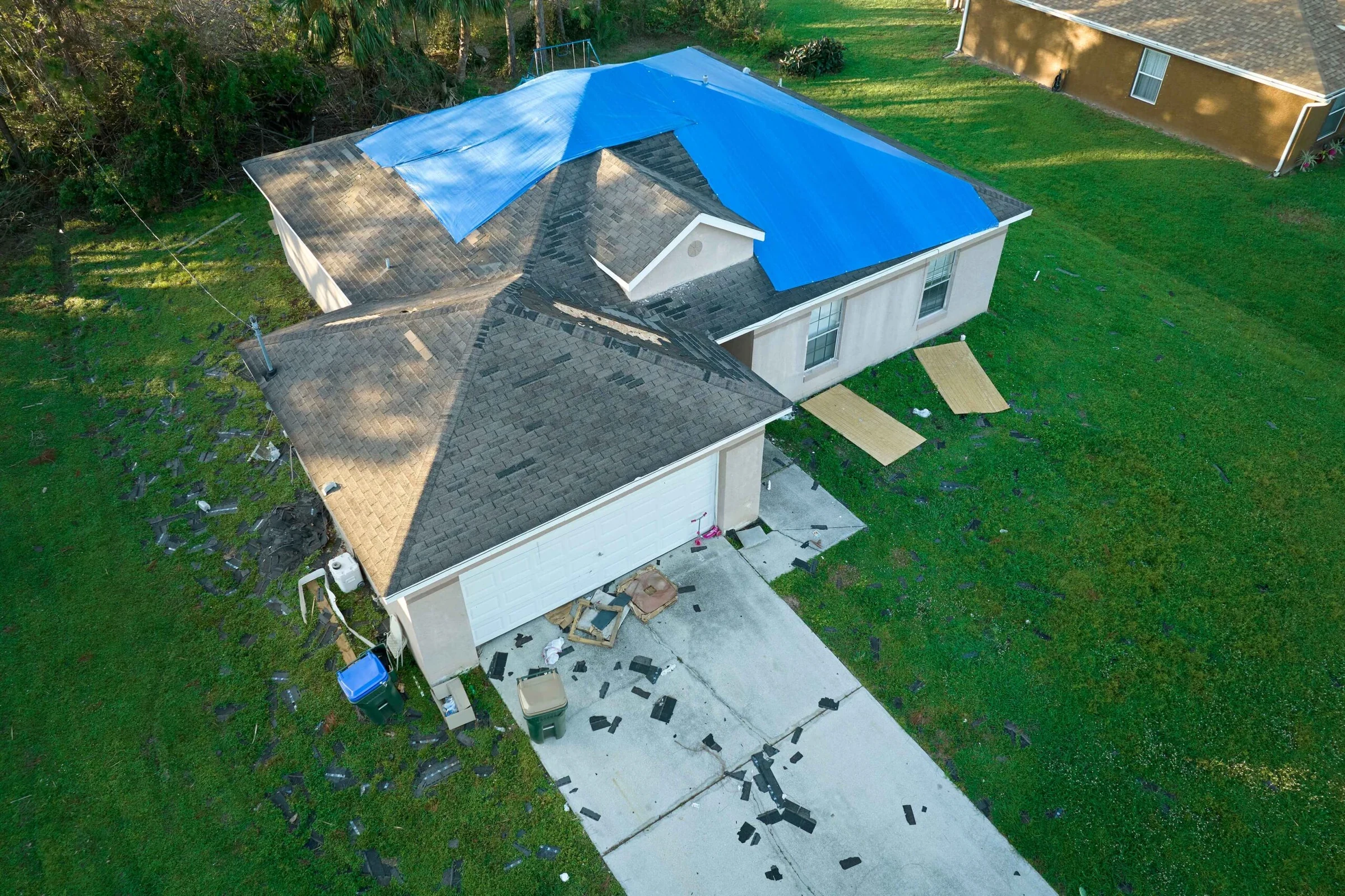
Building operations change how the same roof work is performed. On Logistics 3Pl, Food Processing Cold Storage, or Commercial Real Estate REITs, access, interior sensitivity, security, and working hours can define the safe sequence. Document roof access, sensitive rooms and inventory, deliveries, public entrances, tenant hours, exhausts and air intakes, interior evidence, and the route used to move tools and debris. These conditions belong in the written scope before scheduling. A dry-in can be appropriate during active weather even when permanent work must wait. The crew's daily record should identify every temporary edge, cover, ballast, drain protection, and remaining exposure before leaving the property.
Separate immediate service from capital work
The decision point is what needs action now, what can be maintained, what is eligible for restoration, and what belongs in a replacement budget. The evidence may support a small permanent repair, a broader corrective scope, a restoration evaluation, recover design, or tear-off, but the report needs to show why. Decision thresholds include moisture extent, remaining secure attachment, deck condition, prior repair performance, drainage, assembly compatibility, operational risk, budget timing, and the period the owner expects the roof to remain in service. Ownership should be able to see why a roof can be maintained, why it qualifies for restoration, or why removal is necessary. The report earns that conclusion through field evidence rather than sales urgency.
Albany decision checklist
- Map the interior symptom to a named roof area before selecting a repair detail.
- Record temporary measures separately from permanent work and list every open item.
- Verify drainage, penetrations, walls, edges, earlier repairs, and transitions around the affected area.
- State the observed roof assembly, unknown construction, access limits, and testing assumptions.
- Connect the recommendation to repair, restoration, replacement, maintenance, or capital-planning thresholds.
- Set the next inspection or follow-up date so the roof history continues after this visit.
Commercial roof decision questions
Does this condition automatically mean the roof must be replaced?
No. The review should establish what needs action now, what can be maintained, what is eligible for restoration, and what belongs in a replacement budget. Replacement becomes a defensible recommendation only when the field evidence, moisture, assembly condition, repair history, deck or attachment concerns, and lifecycle comparison support it.
What should the Albany roof scope document?
It should document roof-area plans, system and deck information, observed defects, photographs, moisture evidence, drainage, repair history, immediate priorities, budget assumptions, and recommended follow-up. It should also label temporary and permanent work separately, state assumptions and exclusions, and identify the inspection or service step that follows the current scope.
How does an urgent call become a maintenance or capital plan?
The immediate visit creates the first roof-area record. A follow-up inspection establishes condition and priorities. Completed repairs, recurring observations, drain service, warranties, and future recommendations are then retained so maintenance stays scheduled and larger work can be placed into the appropriate capital year.
From service call to roof plan
Use the next decision, not the biggest sale.
Stabilize the problem, document the roof, compare the viable paths, and keep the resulting roof history active.