Johns Manville's Built-Up Roofing Legacy
Review the scope, field conditions, system options, and planning considerations for this commercial roofing topic.
Read More →
Sika Sarnafil built its commercial roofing reputation primarily around PVC membrane systems, and while Sika as a parent company covers a wide range of construction chemicals and waterproofing products, the Sarnafil roofing line's specific strength is in single-ply PVC rather than a broad multi-membrane catalog.
Sarnafil's product history centers on PVC membrane in various thicknesses and formulations, including options developed for architectural applications where roof color or vegetative roof compatibility matters, alongside standard commercial PVC for straightforward low-slope applications. That focus means Sarnafil's specific expertise and track record concentrate more narrowly than a manufacturer producing TPO, EPDM, and PVC across the board.
On a roof where PVC's chemical resistance is the deciding factor, grease exhaust exposure, lab or pharmaceutical exhaust zones, Sarnafil's PVC-specific manufacturing focus is worth weighing as a specialist option rather than treating all manufacturers as interchangeable once PVC is specified.
Sika's parent company also brings deep experience in waterproofing chemistry more broadly, which shows up in Sarnafil's accessory line, sealants and detailing products developed with the same underlying chemical expertise as the membrane itself, rather than accessories sourced separately and simply badged with the roofing brand.
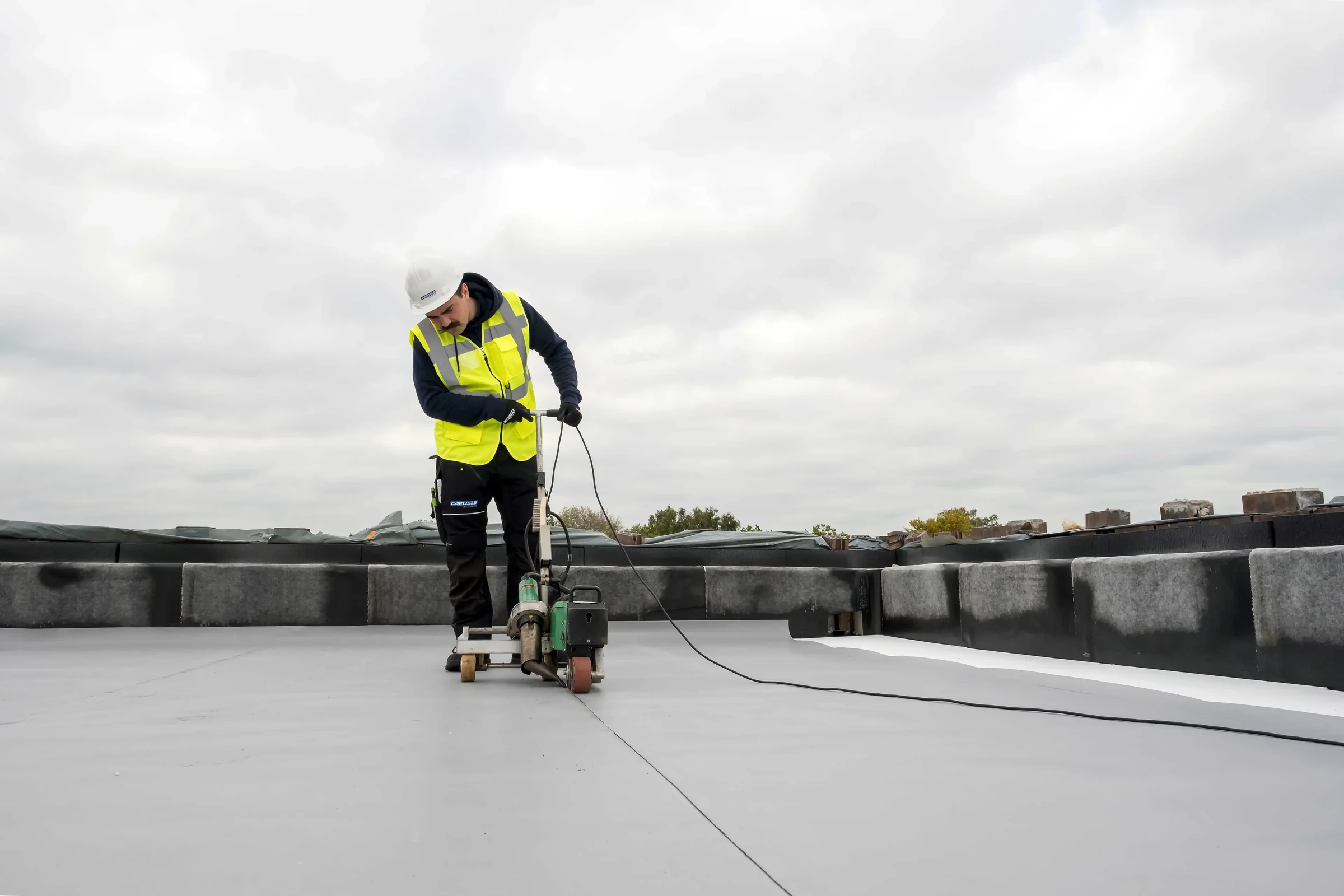
Like other PVC manufacturers, Sarnafil membrane seams heat-weld together rather than relying on tape or adhesive, and weld quality depends on the same installer discipline that applies to any heat-welded PVC or TPO system: correct temperature, weld speed, and in-process testing rather than just a visual check after the fact.
A bid naming Sarnafil PVC without describing the seam welding and testing process is leaving out the detail that determines whether the membrane's chemical and weather resistance actually holds at the seams, which is where most PVC roof problems eventually surface.
Cold weather welding requires more attention to preheat and dwell time than a warm-season install, and the Capital Region's shoulder-season installation window means welding technique matters more here across a larger share of the calendar than it would in a warmer climate with a longer stretch of ideal welding conditions.
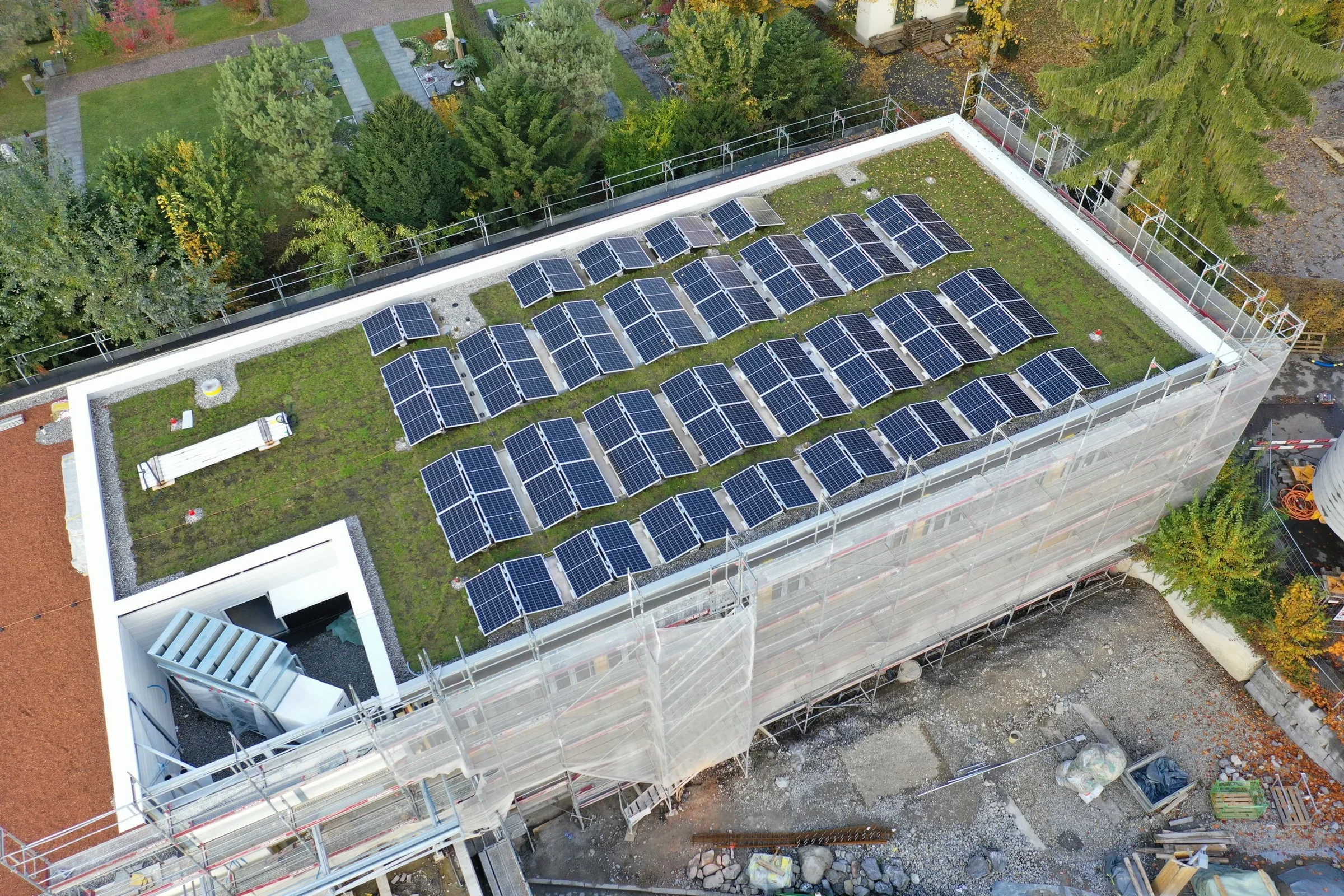
Sarnafil's product range includes membrane options developed for visible or architectural roof applications, where roof color or compatibility with a vegetative or garden roof assembly matters beyond straightforward waterproofing performance. On buildings around the region with visible flat or low-slope roof sections near street level or adjacent to taller structures, that architectural flexibility is sometimes part of why Sarnafil gets specified over a more standard commercial-only PVC line.
For a straightforward warehouse or distribution roof with no architectural visibility concerns, that specialty range doesn't add practical value, and a more standard PVC specification from any qualified manufacturer performs the core waterproofing function comparably.
Vegetative roof assemblies in particular add real complexity to a waterproofing detail, root-resistant membrane requirements, drainage layer coordination, and a maintenance plan for the growing medium itself, and a manufacturer with a documented system for that assembly is worth the premium specifically on a project that's actually pursuing a green roof, not as a general upgrade.
Because Sarnafil's specialty and architectural options cost more than a standard PVC specification, confirming whether the project actually needs them is worth doing before paying for features the roof won't use.
On a bid naming Sarnafil we check for:
Sarnafil's PVC focus fits the same recover logic as any PVC system: it's the right call where chemical or grease exposure is the deciding factor, and less necessary where a roof's exposure doesn't call for PVC's specific resistance profile over a lower-cost TPO or EPDM alternative. See our PVC roofing page for how we weigh full-roof versus targeted PVC use generally.
We evaluate the roof's actual exposure conditions before recommending Sarnafil or any PVC system over a different membrane type, rather than treating a manufacturer's specialty as automatically the right fit for every roof.
That evaluation matters as much on a recover as on new construction, since the exposure a roof faces today isn't always what it faced when it was first built, particularly on buildings where tenants or rooftop equipment have changed over the years.
Sika as a parent company covers a broad range of construction chemicals and waterproofing products, but the Sarnafil roofing line's specific focus and track record concentrate on PVC membrane systems.
The core chemistry and welding mechanics are similar across PVC manufacturers; Sarnafil's specific product range includes some architectural and vegetative-roof-compatible options beyond standard commercial PVC.
Not necessarily. PVC's chemical resistance as a category is the relevant factor; several manufacturers produce PVC systems suited to that exposure, and Sarnafil is one option among them.
No, the contractor needs current Sarnafil certification for the roof to qualify for that specific manufacturer warranty program.
It can be, though the architectural and specialty range that sets Sarnafil apart doesn't add practical value on a roof without visibility or vegetative roof considerations.