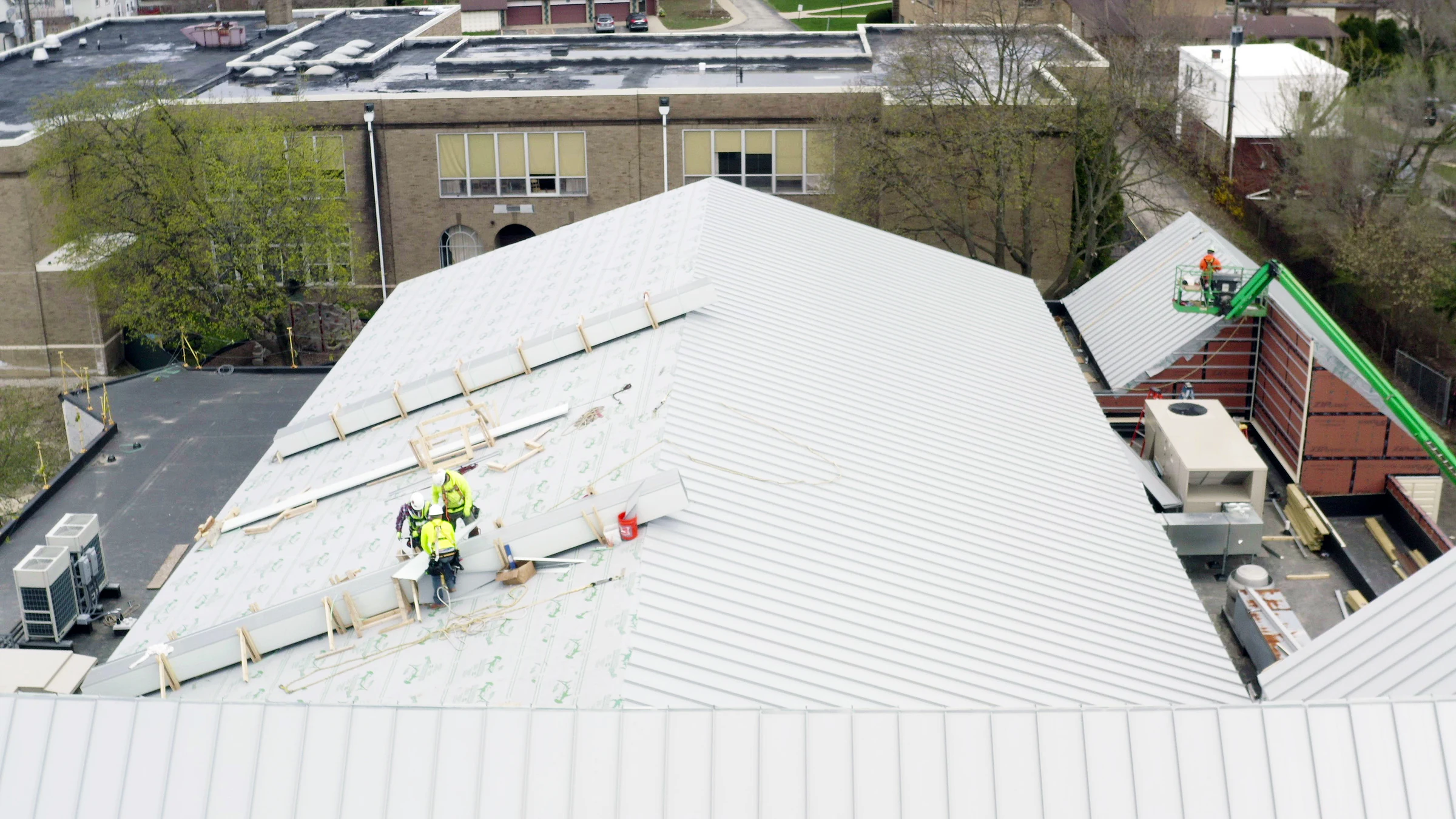
Standing Seam Metal for Snow Load and Curb Appeal
Review the scope, field conditions, system options, and planning considerations for this commercial roofing topic.
Read More →
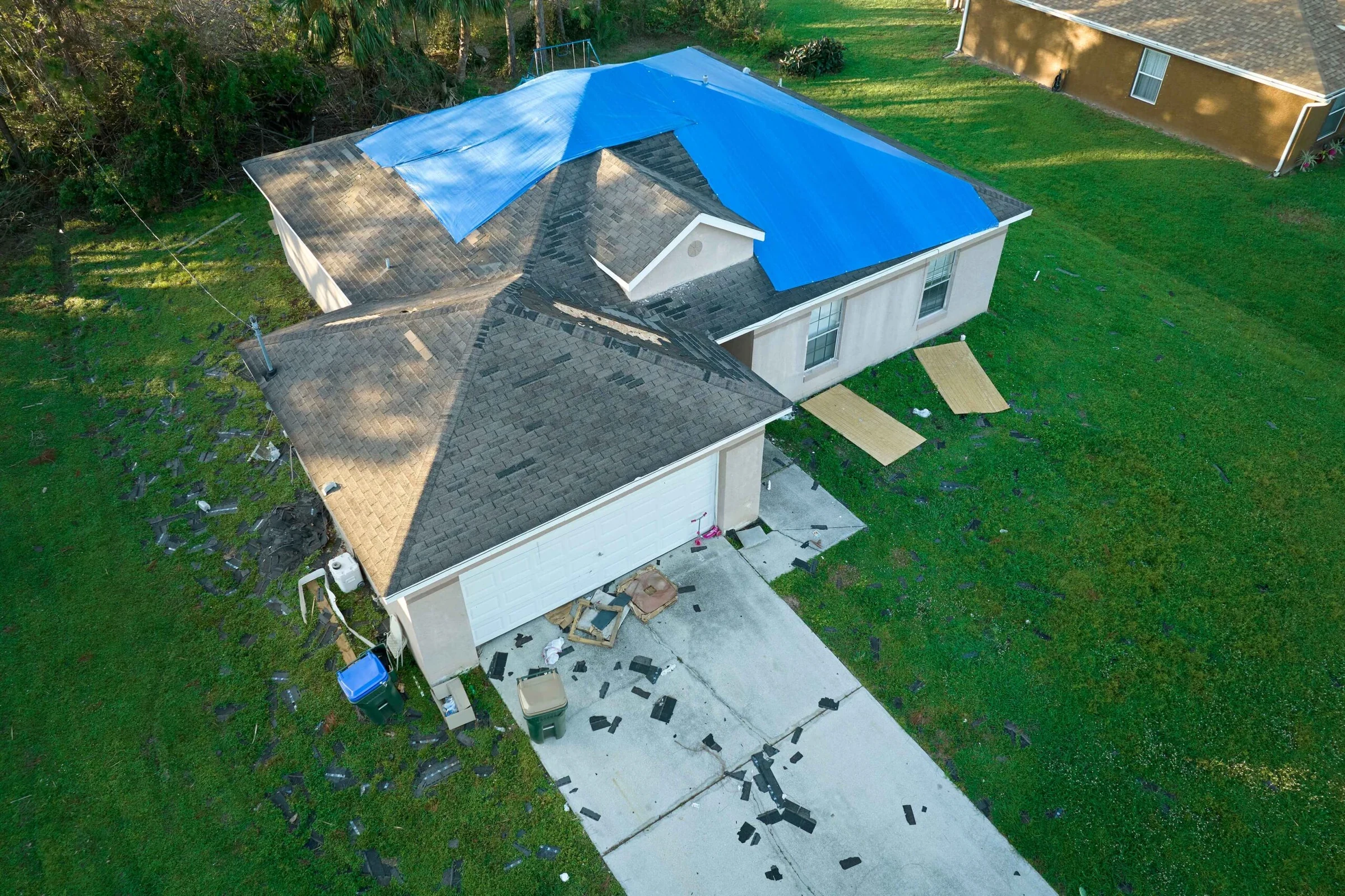
Property owners dealing with storm damage often get two different kinds of help offered: contractors who document conditions factually, and contractors who promise a claim outcome to win the job. We only do the first. Our documentation describes what we observed and what repair or replacement it supports; what an insurer decides to do with that documentation is between the owner and the carrier.
We photograph damage at the specific location it was found, note the observed condition in plain terms, and separate what appears storm-related from what looks like pre-existing wear. That distinction matters because an adjuster reviewing a report full of unsupported claims about storm causation is going to discount the whole document, while a report that's honest about what's clearly storm-related versus what needs further evaluation holds up better under scrutiny.
We also document the areas that weren't damaged, when relevant, because a claim file showing the full picture of a roof's condition is more credible than one that only includes photos of problems. A complete record serves the owner better than a curated one, even when curation might look more favorable in the short term.
We don't promise a claim will be approved, don't estimate a settlement value, and don't tell a property owner what number to expect from an adjuster. Those are carrier decisions, not roofing decisions, and a contractor who tells you otherwise is setting an expectation they can't actually deliver on. What we can promise is an accurate, well-documented record of roof condition that supports whatever conversation the owner needs to have with their carrier.
Documentation is strongest when it happens as close to the storm event as access allows, before weather or additional roof traffic changes the conditions we're trying to record. We prioritize getting on site quickly after a nor'easter or a significant snow event specifically for this reason, separate from any emergency repair work that might also be needed.
When emergency tarp or dry-in work has to happen before a full damage assessment, we document conditions before that temporary work goes down, not only after. A claim file that only shows the roof after temporary protection was installed is missing the record of what the storm actually did.
A repair or replacement scope submitted as part of a claim gets scrutinized closely, and a scope padded with unrelated work or vague line items invites pushback that slows the whole process down. We write scope that maps directly to documented damage, so every line item has a corresponding photo and note behind it, which is what actually moves a claim through review faster rather than slower.
We're also willing to explain our findings directly to an adjuster or engineer reviewing the file, describing what we observed and why we scoped the repair the way we did. That conversation works better when the underlying documentation was factual from the start, rather than trying to defend an inflated scope after the fact.
State and municipal buildings, hospitals, and multi-property portfolios around the Capital Region sometimes need documentation formatted for internal capital planning review in addition to insurance purposes. We can organize findings to support both uses from the same site visit, since the underlying facts don't change, only how the report gets presented for its intended audience.
Distribution centers and large retail buildings with multiple stakeholders, ownership, property management, and sometimes a tenant with their own insurance interest, need documentation clear enough that all parties are working from the same facts. We keep our records straightforward specifically so they don't require interpretation or become a point of dispute among the parties reviewing them.
No. Settlement value is a carrier decision based on policy terms, deductibles, and their own evaluation. We provide factual documentation of roof condition and a repair scope; what that translates to financially is between the owner and the insurance company.
Yes, we're glad to walk an adjuster or engineer through our findings and explain the basis for our documented scope. Having the contractor present to answer technical questions directly often moves the review process along more efficiently.
We stand behind documentation that's factually accurate, and we're willing to discuss specific points of disagreement directly. If new information changes our assessment of a specific area, we'll say so; we don't hold a position just because it was our original number.
As soon as it's safe to access the roof. Documentation is most useful when it captures conditions close to the actual storm event, before additional weather or repair activity changes what's visible.
We can scope a documentation-only visit separately from repair work, which is useful if an owner needs a record before deciding on next steps. We'll discuss which approach makes sense for your specific situation when you call.
For the full picture of how we approach documentation, the adjuster meeting, and complete-scope estimating across a commercial roof insurance claim, see our overview of the claim process.