Holcim Elevate Used to Be Firestone
Review the scope, field conditions, system options, and planning considerations for this commercial roofing topic.
Read More →
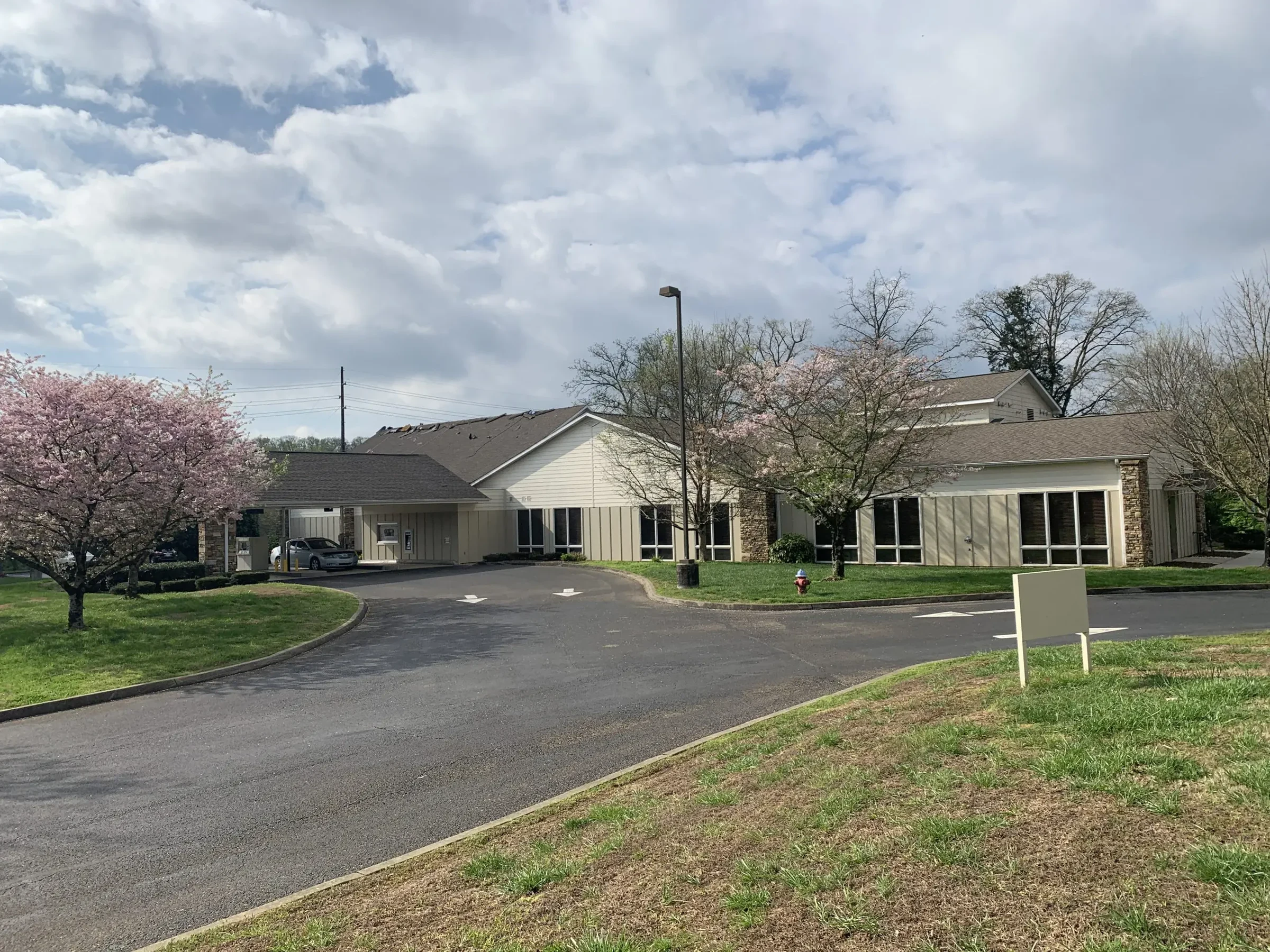
GAF is widely known for residential asphalt shingles, and its commercial roofing division offers TPO and related low-slope systems under a separate product line. On a commercial bid, GAF's name carries different weight than it does on a residential reroof, and it's worth understanding what that commercial line actually is before treating brand recognition as a substitute for checking the specifics.
GAF's commercial division produces TPO membrane and associated roofing system components for low-slope commercial applications, positioned alongside long-established commercial manufacturers that have specialized in low-slope systems for longer. That doesn't make the product inferior, but it does mean the manufacturer's commercial track record is shorter than some of the specialists it competes against, which is a reasonable thing to weigh on a long-service-life institutional roof.
We look at the specific system being quoted, membrane thickness, attachment method, accessory compatibility, rather than assuming brand recognition from the residential market translates directly into commercial system performance.
GAF's broader manufacturing scale, built on decades of residential shingle production, does give it real supply chain depth, which matters practically when a project needs material on a tight schedule ahead of a winter deadline. That logistical advantage is worth something separate from the commercial track record question, particularly on a recover project where the roof can't sit exposed waiting on backordered membrane.
Like other manufacturers, GAF's extended commercial warranties require the installing contractor to hold current certification within GAF's program, and installation has to follow GAF's published specifications for the warranty to apply. A bid naming GAF commercial membrane without confirming the contractor's certification status leaves the same warranty gap that applies with any manufacturer's name.
This is a straightforward question worth asking on any bid naming a specific manufacturer: is the contractor currently certified for that manufacturer's system, and is the quoted warranty term the manufacturer's program warranty or the contractor's own workmanship guarantee.
Warranty length quoted on a bid should also match what GAF's own program actually offers at the specified membrane thickness, since a proposal that promises a longer term than the manufacturer's published schedule supports is either quoting a workmanship warranty dressed up as a manufacturer warranty, or is simply wrong.
On projects where cost is a significant factor and the roof doesn't carry unusual chemical, mechanical, or foot traffic demands, GAF's commercial TPO can be a reasonable, competitively priced option that performs comparably to established alternatives when installed correctly and at the appropriate specified thickness.
On roofs with more demanding conditions, heavy institutional traffic, complex penetration density, or a long expected ownership horizon where manufacturer track record matters more, it's worth weighing GAF's shorter commercial history against manufacturers with a longer specific record in low-slope systems.
Retail and light office buildings around the Wolf Road and Latham corridors, where budgets are often tighter and the rooftop demands are modest, are the kind of project where this tradeoff tends to land in GAF's favor. A downtown government building expected to stay in service for forty years is a different calculation.
None of that is a knock on GAF's product quality, which we've seen perform reliably when installed to spec. It's simply an honest accounting of how long the commercial division has been building its own independent track record compared to manufacturers that have specialized in low-slope roofing exclusively for a longer stretch.
Brand recognition from GAF's residential shingle business doesn't tell you anything about whether the specific commercial system quoted fits the roof in front of you.
On a bid naming GAF commercial membrane we check for:
GAF's commercial TPO fits the same recover scenarios as other TPO manufacturers, and the practical decision on whether it's the right fit for a specific roof comes down to thickness, attachment method, and the roof's actual exposure conditions rather than the manufacturer name carrying decisive weight on its own. See our TPO installation page for how we approach thickness and attachment regardless of brand.
We evaluate the roof itself first and match a manufacturer's product line to what that roof needs, whether that ends up being GAF or one of the more established commercial specialists.
Both. GAF is best known for residential shingles, and it also produces a separate commercial TPO line for low-slope roofing applications.
It's worth weighing on a long-service-life institutional roof, though the product itself can still perform well when installed to specification at the appropriate thickness.
No. The contractor needs current GAF commercial certification for the roof to qualify for GAF's program warranty.
It can be competitively priced, which is part of why it shows up on cost-sensitive bids, though price should be weighed against the specific roof's demands, not considered in isolation.
Yes, the same way other manufacturers' TPO lines are used for recover, provided thickness and attachment method are matched to the existing roof's condition.