Roofing for Cleanroom and Pharmaceutical Facilities Near the Capital Region's Tech Corridor
Review the scope, field conditions, system options, and planning considerations for this commercial roofing topic.
Read More →
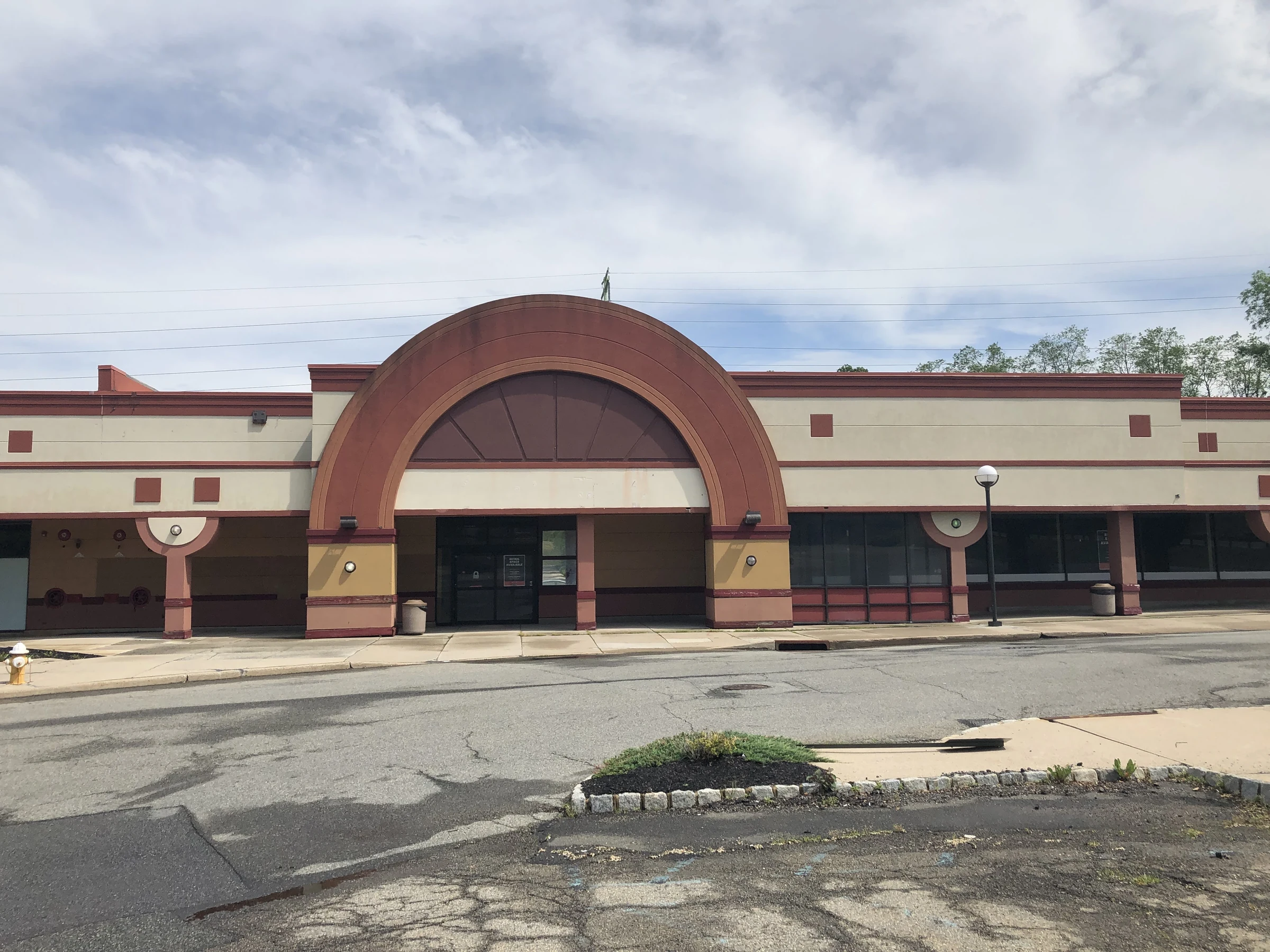
A retail strip roof is rarely one roof. It's several tenant spaces built or renovated at different times under one continuous roofline, and a landlord who gets a single blended quote for the whole plaza is buying a number that doesn't match what's actually up there section by section.
Retail plazas along Wolf Road, Latham Farms, the Western Avenue corridor near Crossgates, and the Route 146 plazas in Clifton Park all went through years of tenant turnover, and each turnover sometimes came with a localized roof repair or partial recover that never extended across the whole building. The result is a roofline with different ages, different systems, and different remaining service life stacked next to each other under one address. We survey and document that section by section instead of treating the roof as a single uniform asset.
That section-by-section reality also affects CAM charge allocation, since tenants paying into common area maintenance want to know the actual condition and cost driver behind an assessment, not a blended number that doesn't reflect what's over their specific space.
A big-box anchor tenant next to a run of smaller inline shops usually has its own roof structure and rooftop mechanical footprint, added or replaced on its own schedule separate from the strip beside it. Treating the anchor and the inline row as one continuous system when they were built or reroofed at different times leads to a bid that either overprices the newer section or underprices the older one.
We check the tie-in point between an anchor's roof and the adjoining strip carefully, since that seam is often where the two systems were never properly integrated in the first place and where leaks tend to show up first.
A retail tenant losing sales days to construction disruption feels it immediately in a way an office tenant often doesn't. We plan retail strip work around store hours and peak shopping periods, sequencing the loudest and most disruptive work for early mornings before stores open where the lease allows, rather than working through the middle of a Saturday afternoon without regard for foot traffic below.
East Greenbush's Routes 4 and 9&20 retail corridor and the Route 146 plazas in Clifton Park both carry a mix of restaurant and service tenants whose peak hours don't line up, which means the quiet window for one storefront can be the busiest hour for the one next door. We map that tenant by tenant rather than assuming a single quiet period applies to the whole plaza.
Multi-tenant retail leases sometimes assign roof maintenance responsibility differently than a landlord remembers, particularly on older plazas that have changed ownership more than once. We ask for the lease language on roof responsibility before scoping repair work, because starting a project based on an assumption that turns out wrong creates a billing dispute nobody wants mid-project.
Restaurant tenants add another layer, since grease exhaust penetrations and rooftop makeup air units are often installed by the tenant rather than the landlord, and lease language on who maintains that equipment doesn't always match who's responsible for the roof membrane it sits on.
Wolf Road and Latham Farms see some of the heaviest retail and restaurant traffic in the corridor, which raises the cost of any disruption and puts a premium on tight scheduling and clean daily cleanup. The newer plazas along Route 146 in Clifton Park and the Western Avenue corridor near Guilderland carry somewhat younger roof stock overall, but still need the same tenant-by-tenant documentation rather than an assumption that newer means uniform.
Because tenant turnover over the years often brought localized repairs or partial recovers that never extended across the whole roofline, leaving different ages and systems side by side under one address that a single blended quote doesn't capture accurately.
We schedule the loudest and most disruptive work around store hours and peak shopping periods, working early mornings before opening where the lease allows, and map each tenant's actual quiet window rather than assuming one schedule fits the whole plaza.
It depends on the specific lease language, which varies more than landlords sometimes expect, especially on plazas that changed ownership or added restaurant tenants with their own rooftop equipment. We request that documentation before scoping work rather than assuming responsibility based on typical practice.
We document condition and cost driver section by section so a CAM allocation reflects what's actually over each tenant's space, rather than spreading one blended assessment evenly across tenants whose roof sections may be in very different condition.
Usually, yes. Anchor boxes are often built or reroofed on their own schedule, and the tie-in seam between the anchor and the adjoining strip is a common point of failure that a single blended bid tends to overlook.