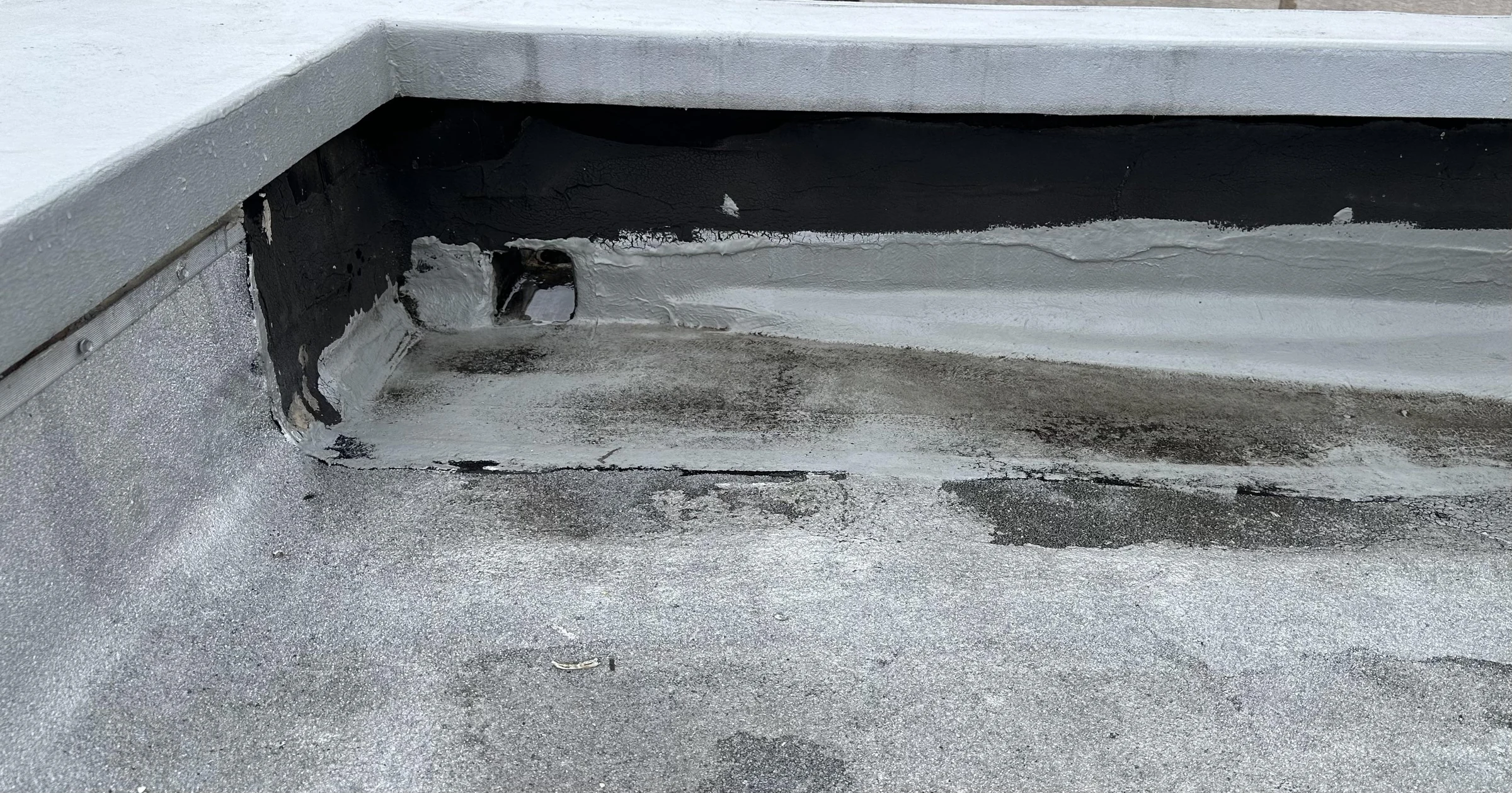
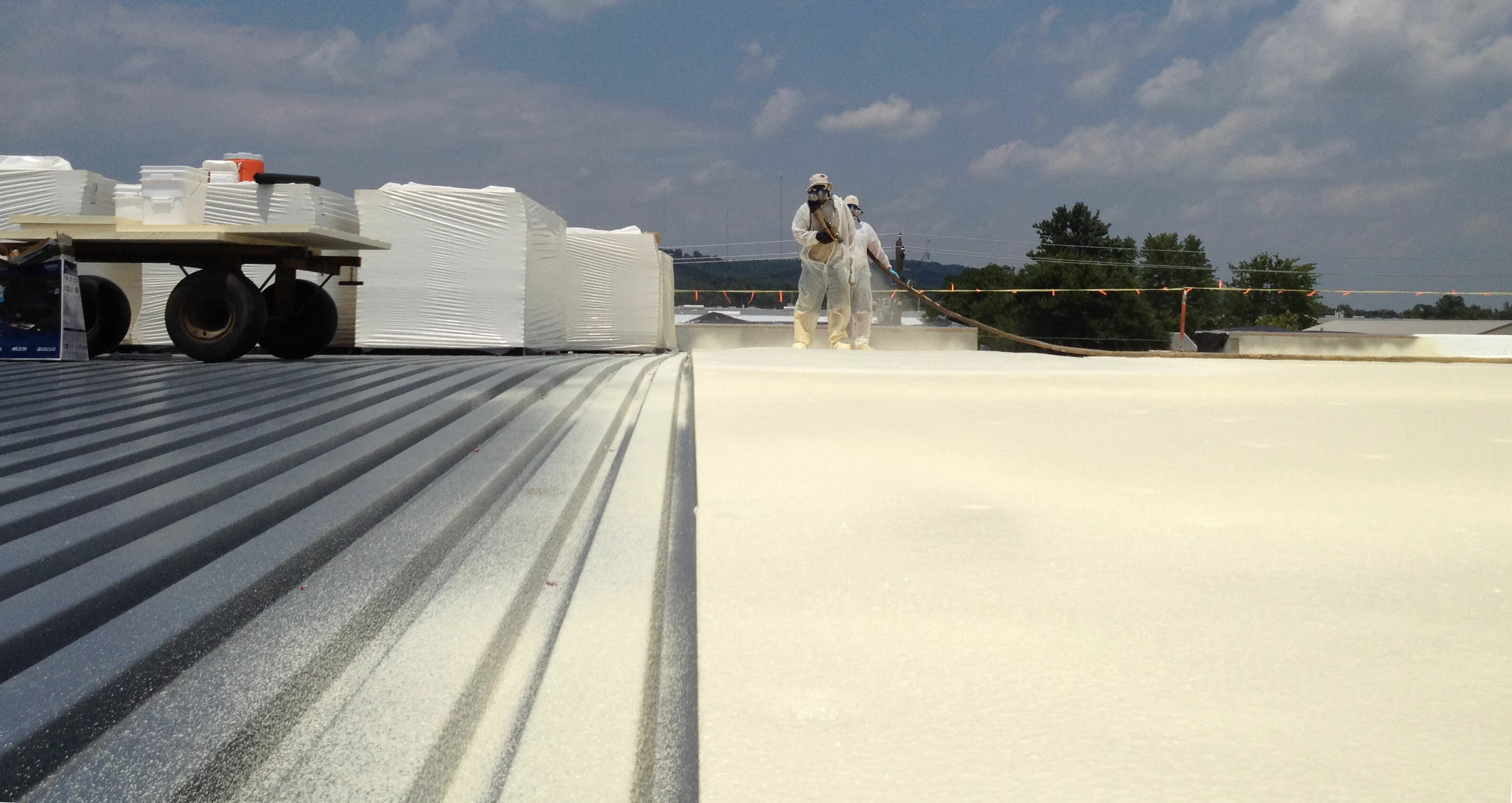
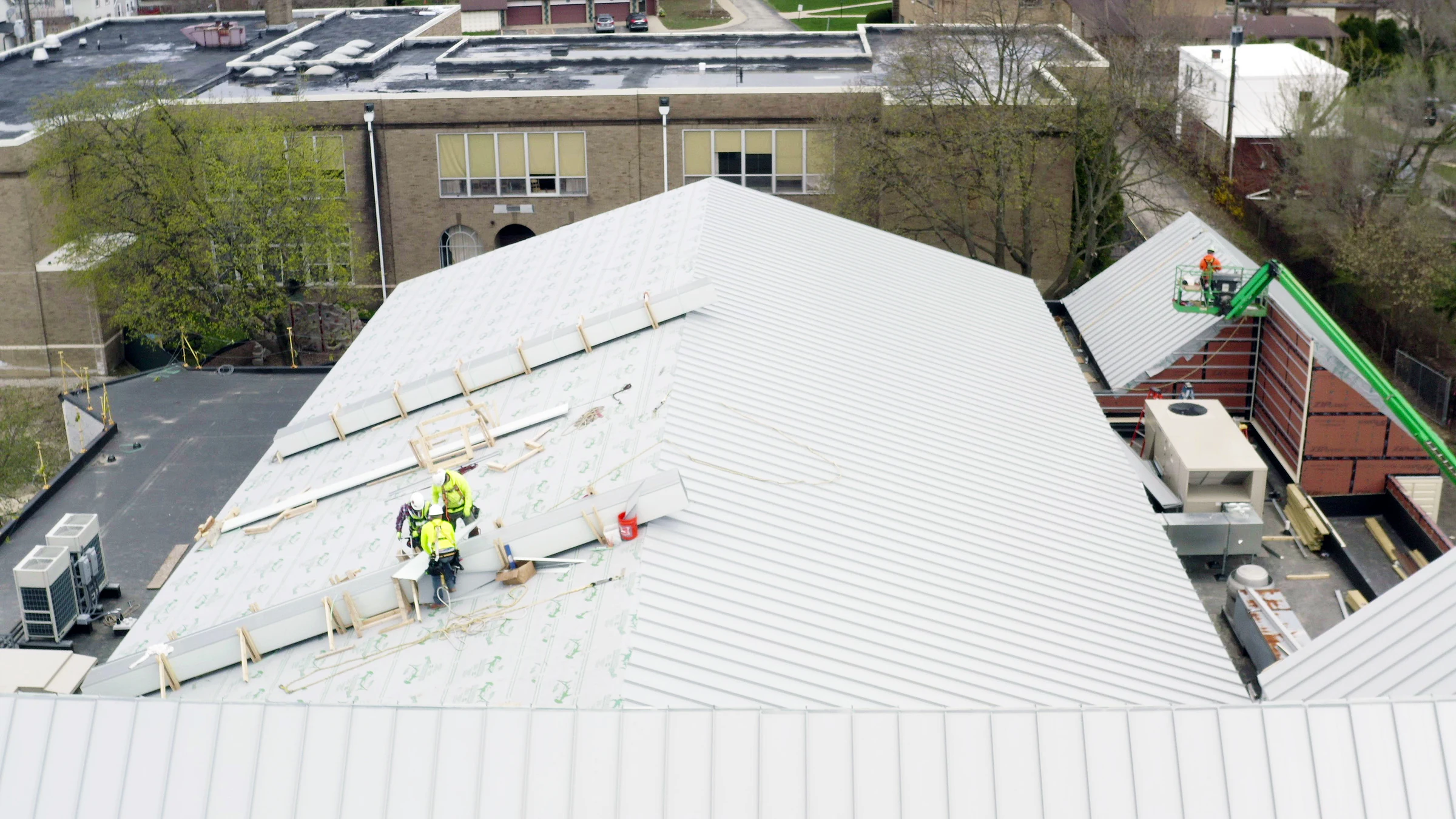
Drainage Is the Roof Detail That Decides Whether the Rest of It Holds Up
Review the scope, field conditions, system options, and planning considerations for this commercial roofing topic.
Read More →
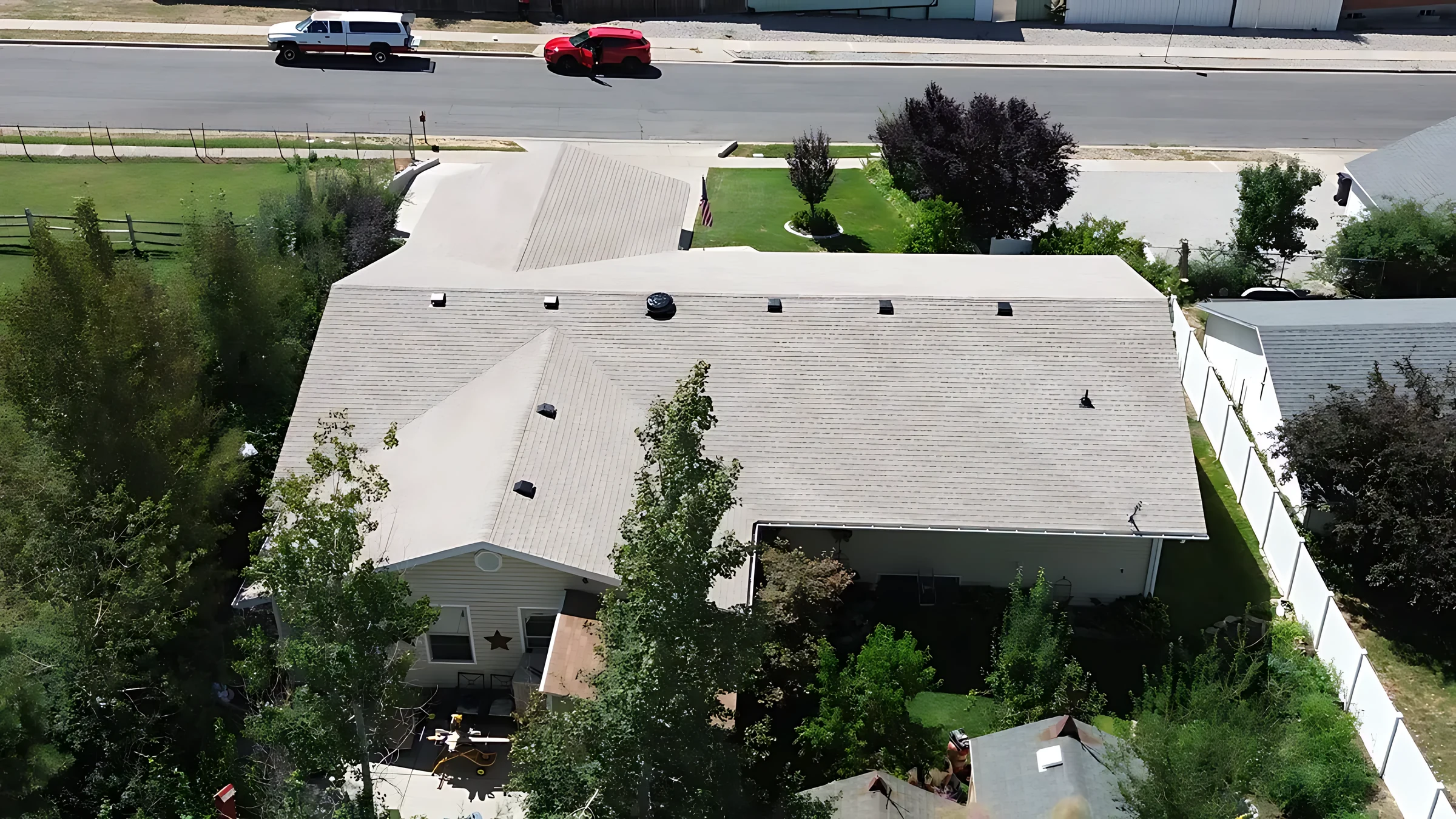
A roof recover installs a new roofing system over an existing one instead of tearing off down to the deck, and it's a legitimate cost-saving option on a lot of Capital Region buildings, as long as the existing roof qualifies for it. The problem is that a recover bid that skips the qualifying steps is really just a gamble dressed up as a budget option.
State and municipal buildings across the Capital Region with aging built-up or modified bitumen roofs are common recover candidates, especially where the structure and budget cycle both favor extending the roof's life another fifteen to twenty years rather than committing to a full tear-off in a single budget year.
We also see recover projects on distribution and warehouse buildings near Selkirk and Rotterdam, where an existing single-ply roof has reached the end of its coating life but the deck and insulation underneath are still in good shape, and on retail buildings along commercial corridors where minimizing disruption to an operating business matters as much as cost.
The single biggest mistake in a recover project is skipping the moisture survey. Wet insulation trapped under a new recover layer doesn't dry out, it stays wet and continues degrading the roof deck from underneath a system that now looks brand new from above. By the time it shows up as a leak, the damage has often spread well beyond the original wet area.
An infrared moisture scan or a series of core cuts across the roof identifies wet zones before the recover begins, and any bid that proposes a recover without this step is proposing to build a new roof on top of a problem nobody's checked for.
Roofing and fire code limits how many layers of roofing can be stacked on a building before a full tear-off is legally required, and a lot of institutional buildings around Albany that have already been recovered once are closer to that limit than facility managers realize. A contractor who doesn't check existing layer count before proposing another recover is proposing a project that might not even be code-compliant once it's inspected.
We verify existing layer count as part of the recover evaluation, along with the structural capacity of the deck to carry the added dead load of another layer, particularly relevant on older buildings carrying real snow load through Capital Region winters.
A recover project is also the natural point to fix a roof's drainage problems, since new insulation is going down regardless. Installing tapered ISO board as part of the recover corrects ponding areas that have been sitting on the roof for years, directing water to drains instead of letting it collect and stress the new roofing system from day one.
Skipping this step and installing flat insulation over a roof with known low spots just recreates the same ponding problem under a brand new membrane. What a recover proposal should specify:
A roof with widespread wet insulation, a deck showing structural deterioration, or one already at the code limit for layer count isn't a recover candidate no matter how the budget conversation is going. We'll tell you directly when a tear-off is the honest recommendation, even though it costs more upfront, because a recover over a compromised roof just delays a bigger, more expensive failure.
The appeal of a recover is real: less disposal cost, faster installation, and less disruption to building operations, which matters on occupied government buildings, hospitals, and retail spaces where a full tear-off means more noise, more debris handling, and a longer project timeline. We weigh that against the roof's actual condition rather than assuming a recover is always the cheaper long-term choice.
A moisture survey, layer count check, and structural assessment together determine that. We won't recommend a recover without completing all three first.
It continues degrading the deck and insulation from underneath, and the damage typically isn't visible again until it surfaces as a leak, often after it's spread beyond the original wet area.
Usually upfront, yes, due to lower disposal costs and faster installation. But it's only a good value if the existing roof actually qualifies for it.
It varies by jurisdiction and roof type, which is why we verify your building's specific layer count and code requirements before proposing another recover.
Yes, if tapered insulation is included as part of the recover scope. Skipping that step just recreates the same ponding issue under new material.