Commercial Roof Insurance Claims in Albany, NY
Review the scope, field conditions, system options, and planning considerations for this commercial roofing topic.
Read More →
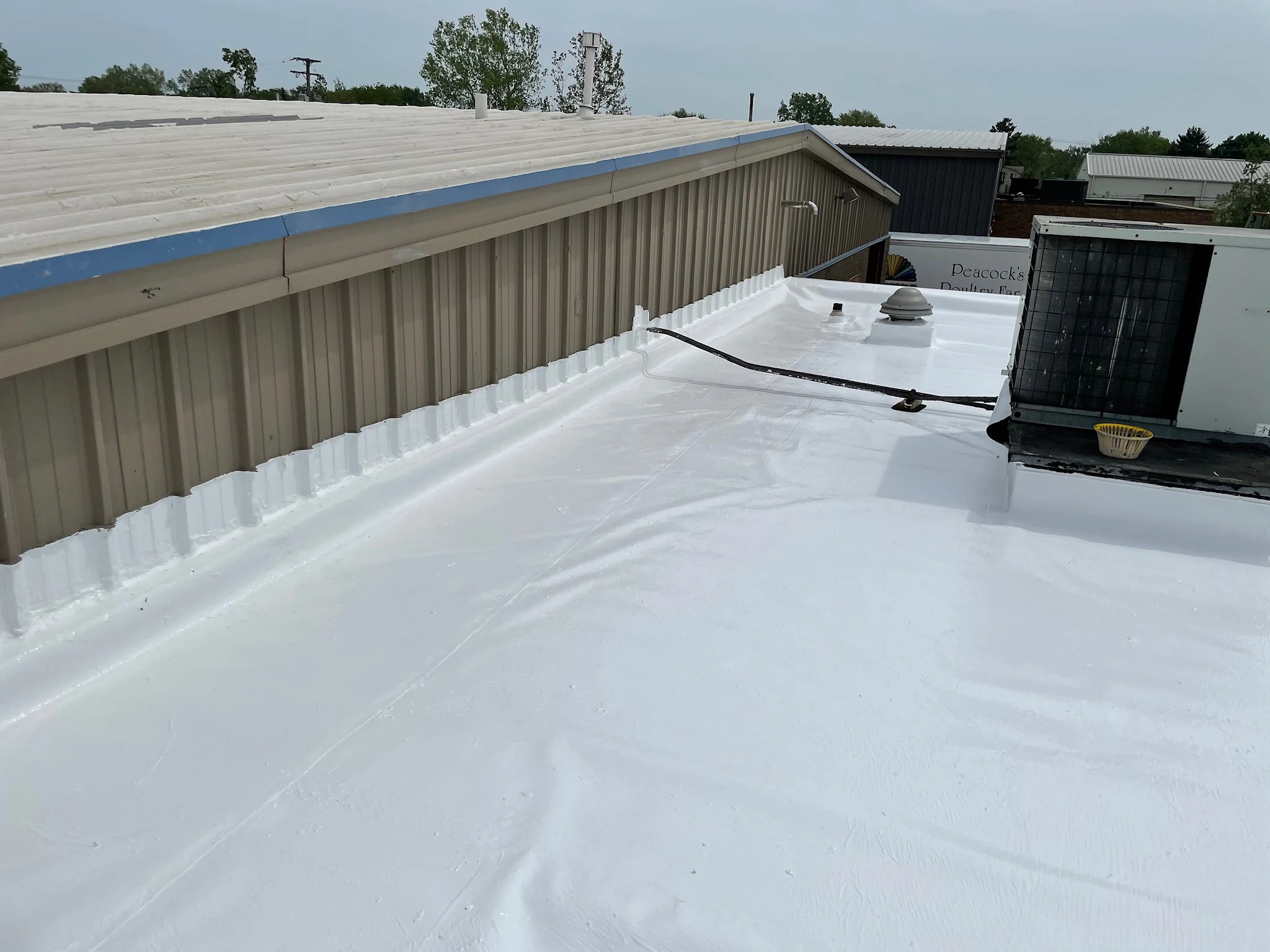
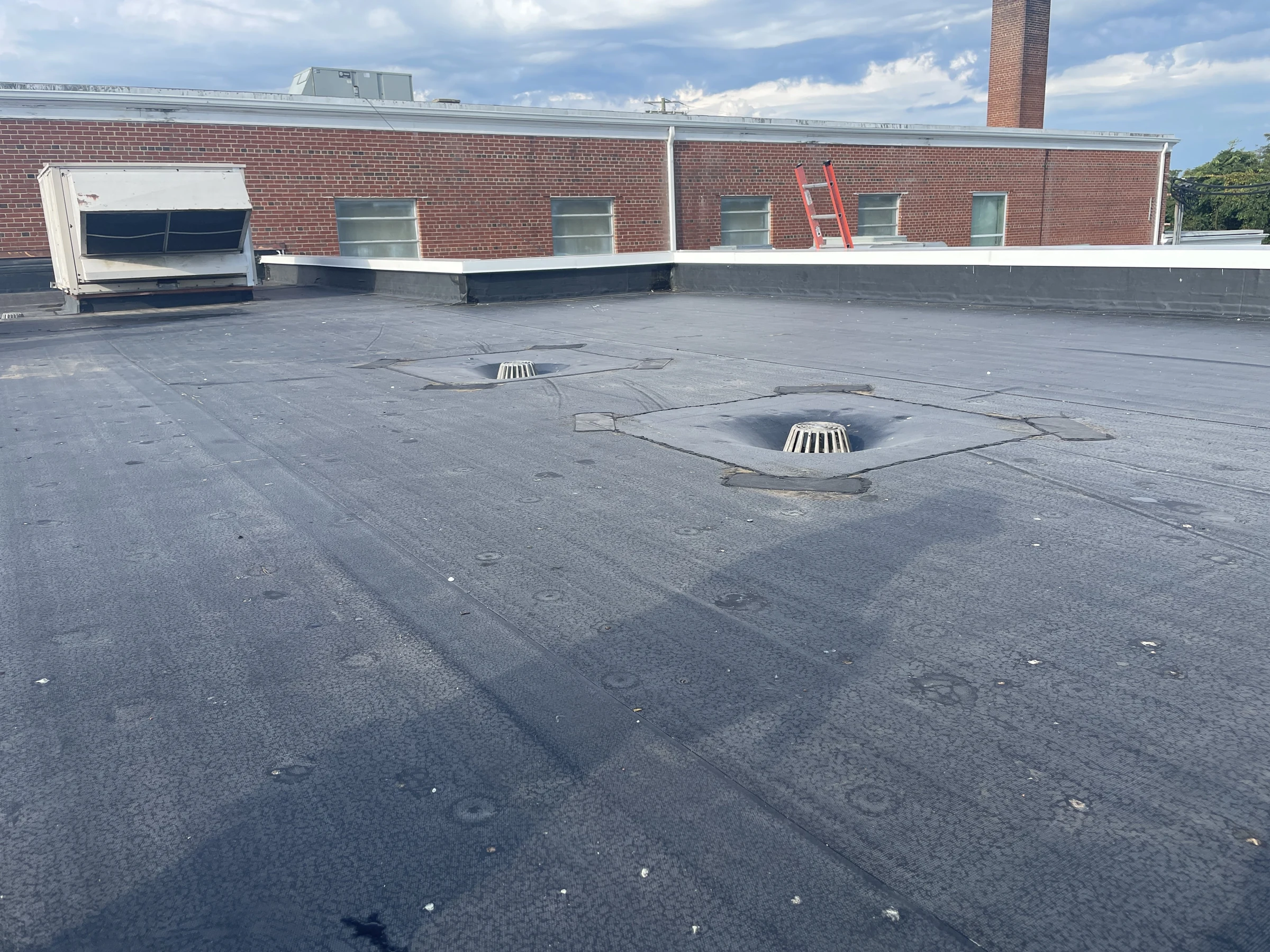
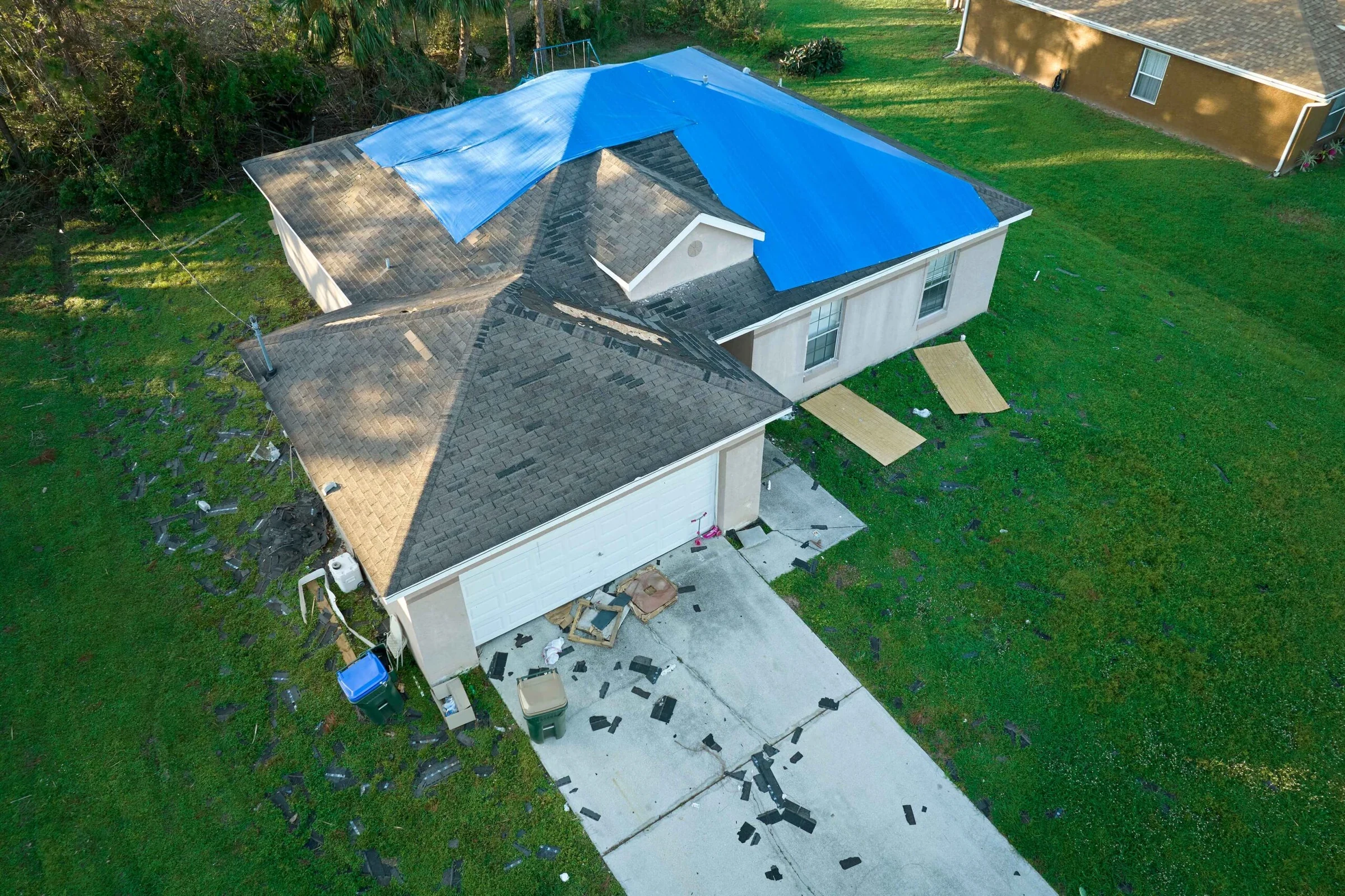
A wind claim gets scrutinized harder than most, because wind damage isn't always obvious from the ground and an insurer wants to see specific evidence tied to a specific event before approving a repair scope. We document wind damage at the points where wind actually does the damage, edges, corners, and parapet copings, rather than a general roof walk that misses the failure pattern a wind event actually leaves behind.
The Capital Region sees two distinct wind threats: sustained nor'easter wind that can push against a roof for hours during winter and shoulder-season storms, and short, intense straight-line wind gusts from summer thunderstorm cells that move through fast but hit hard while they're overhead. A nor'easter tends to find weak edge attachment and coping seams through sustained pressure; a thunderstorm gust is more likely to cause sudden localized uplift or tear loose something already marginal. We note which type of event caused the damage, because the failure pattern and the documentation both look different.
Sustained wind loading concentrates stress at roof edges, corners, and parapet coping, the same principle that drives wind-uplift ratings on membrane systems generally. After a wind event we check coping seams, edge metal fastening, and corner membrane attachment first, because that's where uplift failure starts even when the rest of the field membrane still looks intact from a distance. A roof that reads as undamaged from a drive-by inspection can have a compromised edge detail that's actively letting water in.
Wind-driven rain finds weaknesses a calm-weather inspection wouldn't reveal. A flashing detail that holds up fine under normal rainfall can still let water in when wind is actively pushing rain sideways against a vertical surface, so after a wind event we look specifically for that directional water path, staining that runs at an angle consistent with wind direction, rather than only checking for standing water on the field. That distinction is part of what makes the documentation credible to an adjuster who's seen generic leak claims before.
We're glad to walk a wind-damaged roof with an adjuster or engineer and point directly to the edge and corner conditions that support the claim, explaining the uplift mechanics in plain terms. That conversation goes faster when the documentation already ties specific photos to specific wind-vulnerable locations, rather than asking the adjuster to take a general damage description on faith.
A wind repair scope that patches the visible tear but leaves the underlying edge-metal fastening at its original, now-proven-inadequate spec sets the building up for the same failure in the next storm. We scope edge and coping repairs to current wind-uplift fastening standards where code requires it, rather than a patch matched only to what failed, because that's the difference between a repair that holds through the next nor'easter and one that doesn't.
We're your roofing contractor, not a public adjuster. We document the wind damage and scope the repair to hold up under the same conditions again; we don't negotiate the settlement or promise a specific claim outcome.
We reference recorded weather data for the storm date and location, and we tie our documented damage pattern (edge, corner, and coping failure) to wind-uplift mechanics an adjuster will recognize as consistent with that event.
That's common. Wind damage often starts at edges and corners that aren't visible without getting on the roof, which is why we recommend a roof-level inspection after any significant wind event rather than relying on a ground-level look.
Yes. A wind-loosened flashing or seam can hold through several dry weeks before the next rain event finds the weakness, which is part of why we document edge and corner condition even when there's no active leak yet.
We can do both. Some owners want documentation and a repair scope now with repair work scheduled separately once the claim is settled; we can structure the visit either way.
Wind damage typically shows a specific displacement or tear pattern tied to fastening failure at a discrete location; age-related wear tends to be more gradual and distributed. We describe which pattern we're seeing rather than defaulting to a storm-caused label for everything.